
Treatments · Diagnostic & Therapeutic Injections
Lumbar Sympathetic Block
A sympathetic nerve block targeting the lumbar sympathetic chain — used for CRPS and other sympathetically-mediated pain affecting the leg or foot.
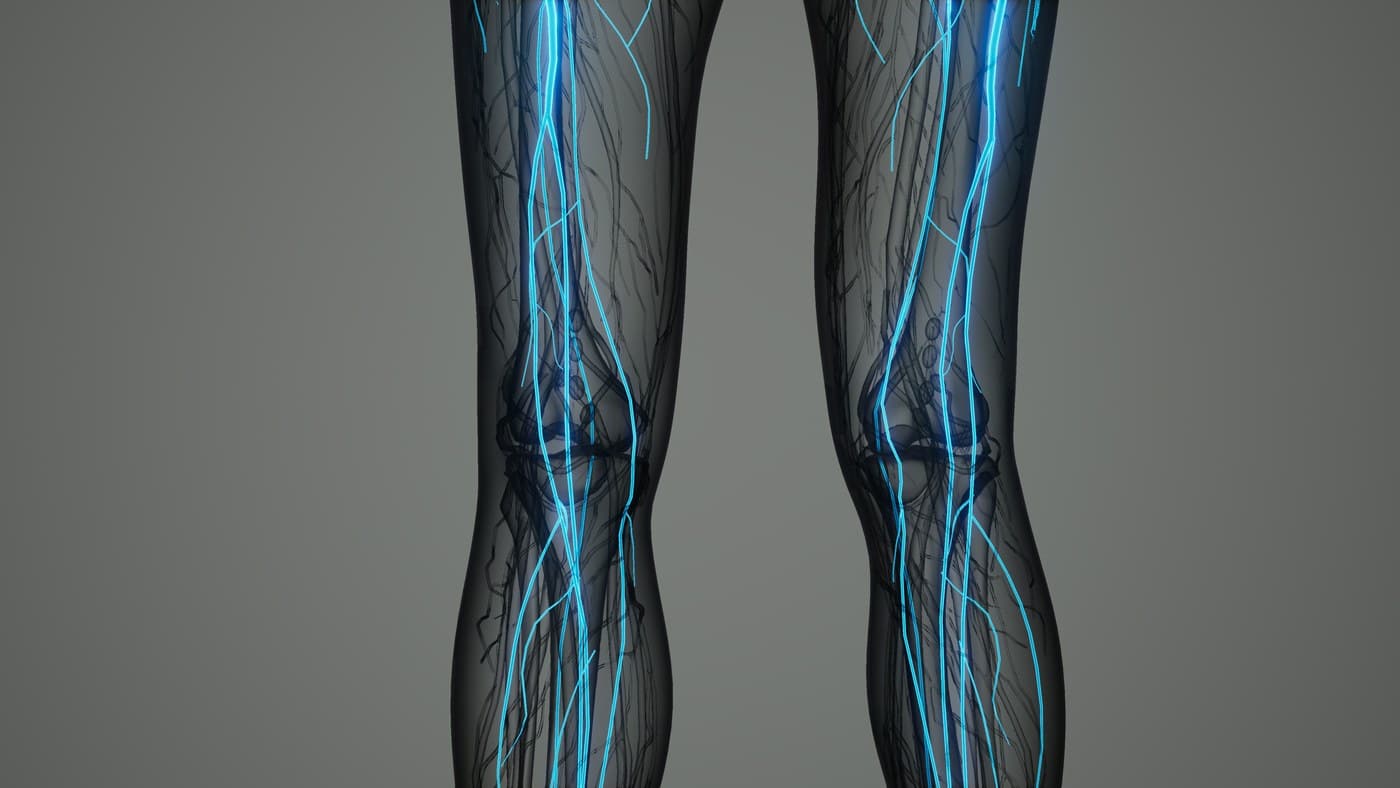
What it involves
The lumbar sympathetic chain runs along the front of the lumbar spine and supplies sympathetic signaling to the leg and foot. Under fluoroscopic guidance, a needle is directed to that chain and local anesthetic is injected to interrupt the abnormal sympathetic signaling contributing to pain, swelling, and temperature or color changes in the affected limb.
It's used specifically for CRPS or other sympathetically-mediated pain affecting the lower extremity — for CRPS affecting the arm, hand, head, or neck instead, the relevant procedure is the stellate ganglion block.
How it works
Interrupting sympathetic signaling to the leg often produces visible, immediate signs the block is working — warming of the treated leg and foot as blood vessels dilate — alongside reduced pain. That combination is both diagnostic, confirming a sympathetic component to the pain, and often therapeutic in its own right.
A single block can provide meaningful relief, but the more durable benefit for CRPS often comes from a short series of repeated blocks, giving the abnormal sympathetic signaling pattern a genuine chance to settle rather than interrupting it just once.
How We Build Your Plan
The clinical reasoning behind this recommendation
What's the diagnosis?
Confirmed CRPS or sympathetically-mediated pain affecting the lower extremity — often supported by the temperature and color changes characteristic of sympathetic involvement.
What's the mechanism?
Local anesthetic delivered at the lumbar sympathetic chain interrupts sympathetic nervous system signaling to the leg and foot, addressing the abnormal vasomotor and pain amplification pattern that defines CRPS rather than just the pain itself.
What are the options?
A single block for diagnostic confirmation, or a short series of blocks for patients who respond well, aiming for durable improvement rather than repeated one-off relief.
Why this approach?
For CRPS affecting the leg or foot, Dr. Foster targets the lumbar sympathetic chain specifically because it's the sympathetic relay point for that region — a stellate ganglion block wouldn't reach the right nerves for a lower-extremity presentation.
What are the tradeoffs?
This is a low-risk, outpatient, image-guided procedure. Relief can be temporary after a single block, which is why a short series is often recommended for patients who respond well, rather than stopping after one treatment.
What to Expect
A brief, image-guided outpatient procedure
The injection itself typically takes about 5 minutes, done under fluoroscopic guidance on an outpatient basis. A warm, flushed feeling in the treated leg and foot is a normal and expected sign the sympathetic block is working, along with some numbness that resolves over the following hours.
Mild soreness at the injection site is common for a day or two. If a series of blocks is planned, each one follows the same brief, outpatient pattern.
Conditions This Treats
Conditions this treatment addresses
Dealing with CRPS affecting your leg or foot?
An accurate diagnosis starts with a conversation. Reach out to schedule a consultation.