
Conditions · Nerve
Neuropathy / Neuropathic Pain
Neuropathy is pain, burning, tingling, or numbness caused by damage or dysfunction of peripheral nerves — from diabetic neuropathy to nerve injury following trauma or surgery.
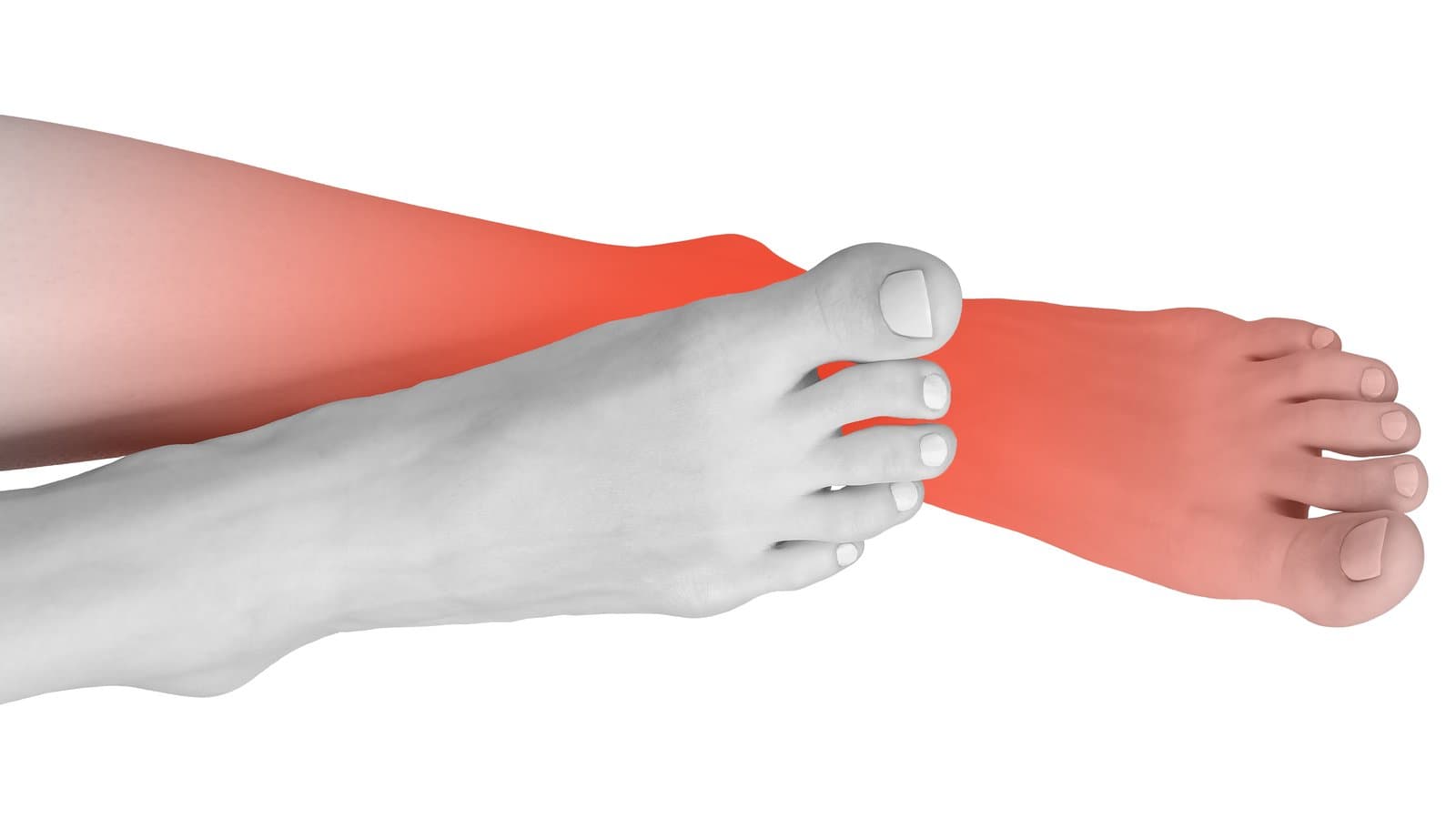
Understanding Neuropathy
Peripheral nerves carry sensory and motor signals throughout the body. When they're damaged — by diabetes, chemotherapy, direct trauma, surgery, entrapment, or causes that are never fully identified — they can misfire, producing burning, tingling, numbness, and sometimes allodynia (pain from touch that shouldn't hurt).
The pattern matters: diffuse, symmetric neuropathy (as in diabetes) typically affects the longest nerves first, producing a "stocking-glove" distribution in the feet and hands, while focal neuropathy — from a specific injury or entrapment — affects the territory of a single nerve. That distinction shapes which treatments are actually worth considering.
Care Pathway
How treatment typically progresses
Start with Conservative Care
Medications
Physical Therapy & Exercise
Activity & Behavior Modifications
If Conservative Care Isn't Enough
Peripheral Nerve Blocks
Spinal Cord Stimulation (SCS)
Peripheral Nerve Stimulation
This is a logical progression based on your response to each step — not a jump straight to the most invasive option, and not a rigid ladder you have to climb regardless of your diagnosis.
How We Build Your Plan
The clinical reasoning behind this recommendation
What's the diagnosis?
A history and exam that identifies the distribution of symptoms — diffuse and symmetric versus focal — combined with the clinical context (diabetes, chemotherapy history, prior surgery or trauma), sometimes supplemented with nerve conduction studies or EMG when the diagnosis or the specific nerve involved is unclear.
What's the mechanism?
Damaged peripheral nerves generate abnormal spontaneous signals and become hypersensitive to stimuli that wouldn't normally cause pain. In diffuse neuropathy this affects the longest nerves first; in focal neuropathy, it reflects injury to one specific nerve.
What are the options?
Neuropathic-specific medication and physical therapy as first steps, peripheral nerve blocks for focal, identifiable neuropathy, spinal cord stimulation for diffuse or refractory neuropathic pain, and peripheral nerve stimulation for a focal, well-localized nerve.
Why this approach?
Because neuropathic pain doesn't respond well to standard pain medications the way musculoskeletal pain does, Dr. Foster reaches for neuropathic-specific agents first, and when a specific nerve is clearly identifiable, considers targeted interventional options rather than escalating standard analgesics that aren't likely to help.
What are the tradeoffs?
Peripheral nerve blocks are low-risk but often provide time-limited relief and work best for a clearly focal problem. Spinal cord stimulation is a bigger step — an implant — but has strong evidence specifically in painful diabetic neuropathy. Peripheral nerve stimulation is a more targeted, smaller option for a single, well-localized nerve.
Prognosis
Depends heavily on the cause — and the specific nerve involved
Neuropathy's course depends a great deal on what's driving it. Some cases — particularly focal neuropathy from a specific, treatable entrapment or injury — can improve substantially once the underlying cause is addressed or the nerve is directly treated. Diabetic and other systemic neuropathies tend to be more chronic, especially once nerve damage is established, but symptoms are still very manageable for most patients with the right combination of medication and, when appropriate, neuromodulation.
Related Treatments
Treatment options for this condition
Sources & Further Reading⌄
- Soliman N, et al. (NeuPSIG Review Update Study Group). "Pharmacotherapy and non-invasive neuromodulation for neuropathic pain: a systematic review and meta-analysis." Lancet Neurol. 2025;24(5):413-428. This 2025 update to the NeuPSIG recommendations — based on 313 RCTs and roughly 49,000 participants — gives a strong recommendation for gabapentinoids, SNRIs, and tricyclic antidepressants as first-line treatments for neuropathic pain, in contrast to standard analgesics, which are generally less effective for this type of pain. View source →
- Petersen EA, Stauss TG, Scowcroft JA, et al. "Effect of High-frequency (10-kHz) Spinal Cord Stimulation in Patients With Painful Diabetic Neuropathy: A Randomized Clinical Trial." JAMA Neurol. 2021;78(6):687-698 (the SENZA-PDN trial). This RCT supports spinal cord stimulation for painful diabetic neuropathy in patients who haven't achieved adequate relief from medication alone. View source →
- Distinguishing focal, single-nerve neuropathy from diffuse, systemic neuropathy is clinically important, since focal presentations are generally more amenable to targeted interventions like nerve blocks or peripheral nerve stimulation.
Think this might describe your pain?
An accurate diagnosis starts with a conversation. Reach out to schedule a consultation.